Outdoor kitchens in Los Angeles used to be a grill on a patio. Now they are true culinary spaces that perform like an indoor kitchen and entertain like a lounge. The climate invites year-round use, but it also demands materials and layouts that handle sun, coastal air, hillsides, and strict fire and seismic rules. After designing and building dozens of open-air kitchens across the basin, from Pasadena courtyards to Pacific Palisades terraces, we have a clear picture of what is rising, what is fading, and what actually holds up.
This is not a catalog of appliances. Think of it as a practitioner's field notes on how Angelenos cook outside, what they prioritize, and where the budget goes when the goal is a space that looks refined on day one and still works after five summers.
A Los Angeles way of cooking and gathering
The strongest trend is not a piece of equipment, it is a pattern. Owners are asking for two modes in one space. On weeknights, they want a fast, no-drama cook station that cleans quickly. On weekends, they want to host a dozen people in comfort. That leads to a split program: a compact, efficient cook line paired with adjacent lounge and dining zones that feel cohesive, not tacked on.
That behavior drives choices, from burner counts to counter depth. It also dictates circulation. In a Hancock Park project, the grill and sink sit within 8 feet of the back door for quick family meals. Twenty feet away, a second surface with cold storage and a serving ledge anchors a pergola-shaded lounge so guests are not hovering over the cook. The two zones read as one design thanks to consistent materials and integrated lighting.
Surfaces that survive heat, citrus, and sunscreen
For the past three years, large-format porcelain and sintered stone like Dekton have displaced natural stone tops in most of our projects. This is a pragmatic shift. Marble etches under lemon juice. Quartzite can handle heat but often needs sealing and can show rust in coastal air. Porcelain and sintered slabs take direct heat, resist stains, and shrug off sun exposure. Seam planning matters with these slabs, yet the payoff is stability and easy maintenance.
Base cabinets are trending toward non-absorbent, non-warping bodies. Powder-coated aluminum carcasses with marine-grade finishes and 304 or 316 stainless fronts keep their shape through dry heat and marine layers. If the home sits within a mile of the ocean, 316 stainless wins. Farther inland, 304 usually works, provided edges are treated and fasteners are stainless. Wood remains part of the palette, but more as an accent in ipe or thermally modified ash, rather than as primary casework.
For flooring, we landscaping guides see two lanes. Modern landscapes lean on 24 by 48 inch porcelain pavers set on a permeable base, which ties into the larger push toward The Ultimate Guide to Drought-Tolerant Landscaping in Los Angeles. Traditional homes still choose tumbled or modular concrete pavers that echo the architecture. Paver Patios vs Stamped Concrete: Pros and Cons still comes up in early conversations. Stamped concrete can deliver continuous texture at a friendly cost, but repairs and color matching after utilities are added can be a headache. Pavers let us lift and reset for future changes, and they complement 15 Paver Patio Designs Los Angeles Homeowners Love without locking you into one pattern forever.
Hybrid cooking suites, not single-hero grills
Single 36 inch gas grills remain, but the growth is in hybrid stations. A common package now includes a standard gas grill, a ceramic kamado for low-and-slow smoking and high-heat searing, and a 12 to 16 inch gas pizza oven. The pizza oven is not just for pizza. It roasts vegetables and finishes cast-iron steaks with a dry heat an indoor oven struggles to match.
Flat-top planchas are replacing side burners in many builds, largely because they cook breakfast, smash burgers, and fajitas without flare-ups or a rain of onions into burner wells. For clients who cook fish frequently, we often specify a teppanyaki plate with a dedicated hood. Santa Monica homeowners ask for Argentine-style parrillas more than you would think. We design those with deep ash drawers and ember beds that pull forward so you can safely manage coals.
If you prefer wood or charcoal, integrate ash management from day one. A clean-out door, shielded ember tray, and a non-combustible, hose-friendly floor zone keep soot where it belongs. This is not a glamorous detail, but it determines whether you actually use the appliance after the novelty wears off.
Venting and clearances are non-negotiable
Architectural renderings often ignore venting. Real builds cannot. Built-in grills under shade roofs need a hood sized for the total BTUs and the hood width should exceed the grill by at least 6 inches on each side. In coastal conditions, we add corrosion-resistant baffles and grease trays that remove for cleaning. Wall claddings behind grills need non-combustible finishes and standoff spacers. On open-air islands with no roof, cross-breezes can push smoke toward seating, especially during Santa Ana events. A simple trick is to rotate the island 10 to 15 degrees during layout so the prevailing winds carry smoke away from people, not into them.
Distance to structures and combustibles varies by county and appliance, but a working rule of thumb is to keep the grill face at least a few feet from siding and to use masonry or metal surfaces for the first run. If you are near Very High Fire Hazard Severity Zones on the hills, expect stricter clearance and ember-resistive construction around any 12 Backyard Fire Pit Ideas for Entertaining Year-Round. Vent panels at the toe-kick of any island with gas service are equally crucial. They relieve pressure if a leak occurs and reduce moisture buildup that drives corrosion.
Smarter utilities, cleaner counters
The prettiest kitchen fails if the utilities are an afterthought. We upsize gas lines for combined BTU loads because running a 36 inch grill, flat-top, and pizza oven on a 3/4 inch line usually means one appliance starves. A 1 inch line with proper regulators and shutoffs pays dividends. We place individual shutoffs behind access doors, then label them. You will thank your past self during maintenance.
Electrical service is quietly more complex now. Refrigeration, ice makers, warming drawers, vent hoods, and lighting glow-ups draw more power than a simple grill light. In many Los Angeles homes, the main panel is already crowded. We often install a small subpanel near the kitchen, dedicated GFCI circuits for wet areas, and low-voltage runs for task lighting and controls. If you ever plan to add a pool, spa, or 10 Outdoor Lighting Ideas for Los Angeles Landscapes, oversizing conduits today avoids trenching through finished hardscape tomorrow.
Water in Los Angeles is not just about the sink. A bar sink is useful, but in tight spaces we may recommend a hand-wash station next to the cook line and a deeper cleanup sink around the corner near compost and trash pulls. In drought-conscious designs, we route the sink to a graywater-ready stub, then advise on rules if you want to irrigate ornamental plants with that line. It is not legal to send kitchen sink water to landscape in many jurisdictions, but a nearby laundry or lavatory line can sometimes be part of a graywater system. The Best Drought-Tolerant Plants for Los Angeles Yards appreciate consistent irrigation, and integrating that thinking early prevents costly rework.
Storage that reflects how Angelenos cook
The worst thing you can do is spend on appliances and forget where the brushes, sheet pans, and wood chunks live. We plan tight storage with liners to separate clean and smoky zones. A sealed pantry drawer for spices, a tall pull-out for grill tools, and a ventilated bin for charcoal live at arm's reach. Refrigeration runs hottest outdoors. Drawers hold cold better than glass-door fridges and are less prone to seal failures. We spec outdoor-rated units with 304 or 316 stainless, and we usually shade their faces to preserve compressors in August heat.
Ice matters during a party more than you think. If you do not want a plumbed ice maker, plan a pull-out built to fit a 40 pound bag of ice with a drain pan. It beats burying bags in a planter and fishing for cubes between succulents.
Shade is not an accessory
Midday summer sun will shorten any gathering. Shade structures are not decoration, they are infrastructure. We design pergolas with slatted or operable louvers over the dining or lounge area and keep the primary cook station open to vent heat. When homeowners compare Pergolas vs Covered Patios: Which Is Right for Your Home?, we walk them through use and code realities. A solid roof with integrated lighting and heaters extends use deep into the evening. It also triggers more permitting steps and can change the required footing and lateral bracing. Pergolas feel lighter, let starlight through, and often avoid the need for a full structural tie-in. Both can include motorized screens to block wind and late sun. In canyons where wind funnels in the afternoon, we use cable bracing and heavier footings to prevent rack.
Fire, water, and the social spine
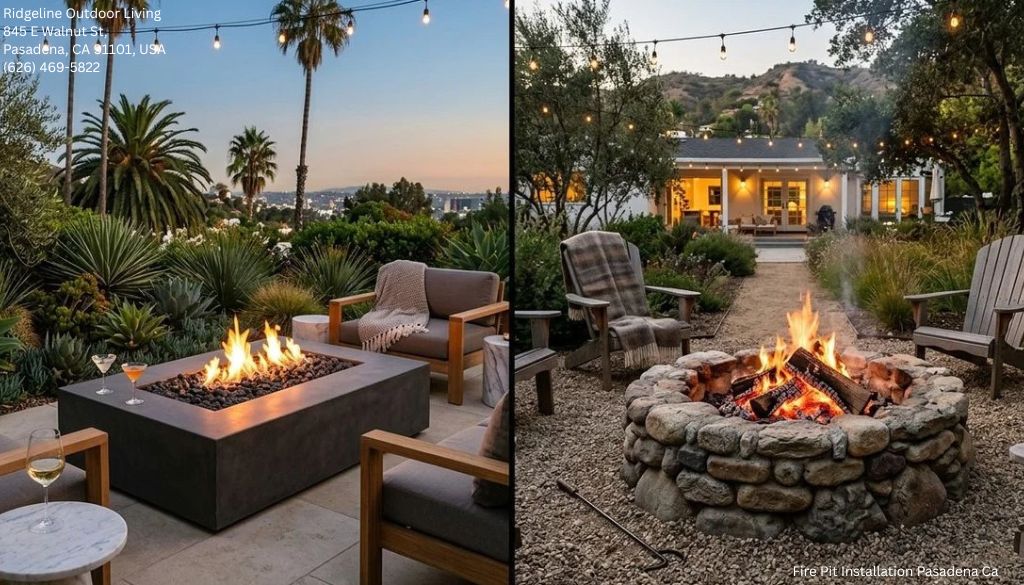
The best outdoor kitchens stitch cooking with conversation. Linear fire features parallel to dining tables invite lingering after the meal. We position low flames just beyond the serving counter to create a visual bridge between cook and guest. If you are exploring 15 Fire and Water Feature Ideas for Modern Landscapes, water tends to belong a few steps away from bacon grease, but a rill or narrow trough can edge a dining terrace and provide white noise that masks street sound without stealing floor area.
For homes on grade changes, Retaining Walls for Hillside Properties: What Homeowners Need to Know applies directly to outdoor kitchens. A tall wall can become a bench back or serving ledge. Step transitions that double as seating let the crowd expand organically during a party. Hillside kitchens often benefit from wind blocks and exhaust planning so smoke does not bounce off the slope into seats.
Lighting that flatters food and faces
Bad lighting makes good stone look cheap. We mix three layers. Task lighting runs under counters and inside hoods to keep fingers safe. Ambient lighting for paths and treads avoids pools of darkness. Accent lighting grazes masonry or the underside of serving ledges. Warmer tones around 2700 to 3000 Kelvin flatter skin and food better than cold white. Dimmable circuits make one space work for a late-night cleanup and a birthday toast. We pull the palette from 10 Outdoor Lighting Mistakes That Reduce Curb Appeal and keep fixtures shielded to avoid hot spots that blow out phone photos.
Landscaping that does not steal water from the salad
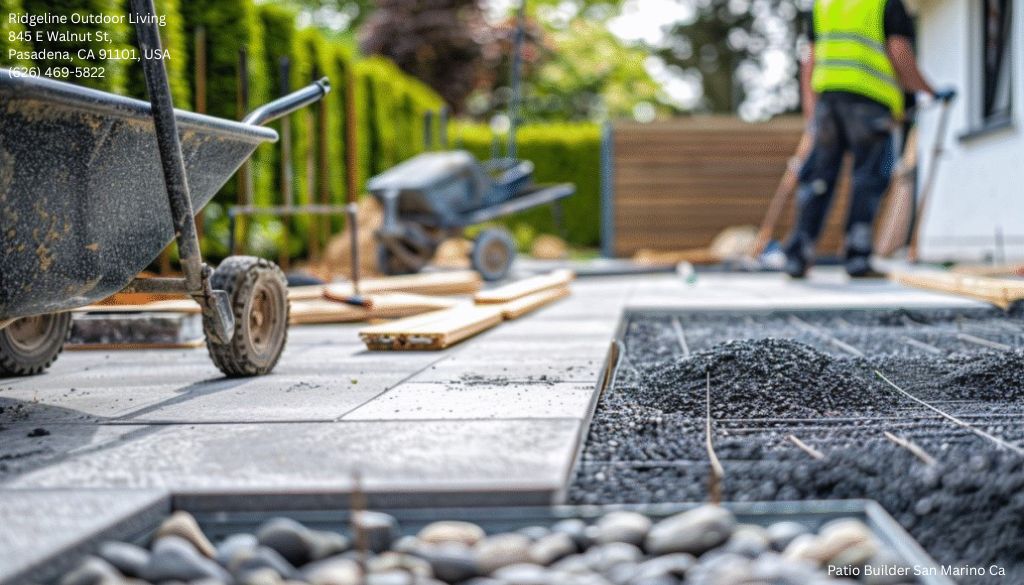
The kitchen cannot be an island in a sea of thirsty lawn. Why Drought-Tolerant Landscaping Is a Smart Investment is not just a slogan. It defines how we frame the kitchen. We specify low, aromatic herbs near the cook station so you can cut rosemary or thyme as you turn a steak. Farther out, we switch to sculptural, low-water plants that handle heat and errant soccer balls. Artificial Turf vs Sod: What’s Best for Los Angeles Homes? Is a case-by-case call. Synthetic turf around a kitchen avoids muddy shoes and keeps cleanup simple, but it needs buffer zones near open flame and reflective glass. Natural sod is cooler underfoot but drinks more water and can look tired by September if you ration irrigation. Permeable hardscape and French Drains Explained: Protecting Your Property From Water Damage factor into nearly every build so winter storms do not turn your entertaining space into a pond.
The quiet star: layout
We treat layout like a chef treats mise en place. Prep near sink and cold storage. Hot zones separated so a pizza peel does not cross a burger line. A landing zone at least 16 inches wide on either side of the primary grill so trays do not teeter on the sink edge. If space allows, a secondary landing zone across the aisle for plating. We like 42 to 48 inches of clear aisle between counter runs. Any less and hips bump. Any more and steps add up over a long cook. For accessibility and aging in place, we sometimes lower a prep section to 34 inches and use pull hardware that grips with wet hands.
Materials that age with grace
Concrete counters look fantastic on day one, but they stain and hairline crack without relentless sealing and babying. If you want that look, troweled, fiber-reinforced mixes with integral color help, but we make sure owners accept patina before we pour. Porcelain and sintered stone stay consistent, even when kids drop metal skewers. Natural stone still has a place. Leathered granite in a dark tone with minimal mica holds up well and hides fingerprints. Tile for counters is fading because grout lines collect grease. For vertical faces, glazed brick, fluted porcelain, and troweled stucco hold strong in modern designs.
Technology you will actually use
Smart controls now live outside, but we focus on low-drama features. Bluetooth meat probes beat a wall-mounted touch screen that dies in the sun. A simple app to dim lights or manage a louvered pergola is helpful. A TV that tilts, lives in shade, and pulls down in front of glare beats a huge screen that fights the sky. Sound should be directional, not club-volume. We embed small, weatherproof speakers under benches and eaves so the music hugs the people without blasting the block.
How Much Does an Outdoor Kitchen Cost in Los Angeles?
Costs vary with utilities, finishes, and scope, but after tracking bids against finished projects, we see predictable bands. The numbers below include design, permitting, utilities, casework, counters, appliances, and finish work. They exclude full-yard landscaping.
- Compact cook line, one grill with storage, a small sink, basic lighting, and a short gas and electrical run: roughly 25,000 to 45,000 dollars. Mid-range suite with a grill, flat-top, pizza oven, sink, refrigeration drawers, vent hood under a pergola, paver terrace, and moderate utility trenching: roughly 55,000 to 95,000 dollars. Premium build with hybrid appliances, large-format porcelain counters, aluminum and 316 stainless cabinetry, custom shade structure with heaters and screens, extensive lighting, and engineered footings: roughly 110,000 to 180,000 dollars. Estate-level outdoor pavilion with a fireplace, full bar, multiple zones, integrated audio-visual, significant grading or retaining, and long utility runs: 200,000 dollars and up.
Labor and permitting push higher on the Westside and in hillside neighborhoods. Santa Monica and West Hollywood typically add review layers. Hillside lots trigger engineering, and utility runs can dominate budgets if the main gas or panel sits far from the kitchen. If a project folds into a larger scope like 10 Ways to Create a Resort-Style Backyard at Home, shared mobilization helps. On the flip side, staging on narrow streets can extend timelines and crane days add cost.
Outdoor Kitchen Features That Are Worth the Upgrade
Not every upgrade returns value. These consistently do. A louvered pergola over the dining zone extends the usable day and gives you control. Warming drawers keep the first ribeye hot while the last pizza finishes. Drawer refrigeration with a locking top drawer beats a glass door unit in both performance and security. A wide, foot-operated trash and recycling pull at hip height saves back and counter space. An insulated jacket around any built-in grill near wood or composite surfaces adds safety and peace of mind.
Business Name: Ridgeline Outdoor Living
Address: 845 E Walnut St, Pasadena, CA 91101, United States
Phone: (626) 469-5822
Ridgeline Outdoor Living
Ridgeline Outdoor Living is a Pasadena-based landscape design-build company serving Greater Los Angeles with custom outdoor living, hardscape, and drought-tolerant landscape solutions. The company specializes in patios, retaining walls, outdoor kitchens, drainage, hillside projects, and turnkey landscape construction, handling projects from design and permitting through final build and warranty.
845 E Walnut St, Pasadena, CA 91101, USA
Business Hours:
- Monday – Saturday: 8:00 AM – 6:00 PM
- Sunday: Closed
Follow Us:
If you love bread or desserts, the pizza oven opens a new lane. If you cook for big families, the plancha sees more use than an extra side burner. If you host often, an ice solution is not optional. For purely visual pop, backlit onyx looks great at dusk but takes a beating outdoors. We can achieve a similar warm edge with a ribbed slab front and concealed LEDs, which survive weather without exotic stone maintenance.
Drainage and grade control keep the party going
Los Angeles enjoys long dry stretches, then one atmospheric river undoes sloppy grading. The kitchen must shed water away from appliance bays and seating. We design a subtle 1 to 2 percent fall, hidden slot drains at cook lines, and area drains tied to an approved outfall. Common Landscape Drainage Problems and Their Solutions show up around kitchens because pavers look flat but hide birdbaths. Hollow sounds under pavers mean poor compaction. We spec open-graded bases so water moves down and away. If you already battle soggy turf, How to Prevent Yard Flooding With Proper Drainage Solutions and 10 Signs Your Yard Needs Better Drainage are not just blog titles, they are a punch list before you build anything with pilots and electricity.
For hillside properties, build the platform first
On slopes, the kitchen is only as good as the platform beneath it. The Complete Guide to Hillside Landscaping in Los Angeles starts with soil reports. We pull a geotechnical report, then design footings and retaining that handle surcharge loads from counters, cabinets, and guests. How Retaining Walls Prevent Erosion on Hillside Properties is not a theory lesson. It keeps your fridge from drifting a half inch out of level each winter. Terraced pads can double as dining and lounge levels, joined by broad steps that serve as informal seating on party nights.
Designing around a pool
Outdoor kitchens near pools are about more than splashing kids. Slip resistance, grease control, and hose-down cleaning dominate the spec. Pool Landscaping Ideas for Los Angeles Homes inform surfacing that stays cool under bare feet. We break the plane between pool deck and kitchen with a contrasting band so wet guests do not wander into fry zones by accident. If your kitchen and pool share a gas heater or electrical subpanel, sizing needs to be coordinated in design, not in the field.
A note on property value
Not every dollar returns at resale, but 10 Hardscaping Features That Increase Property Value consistently include well-built outdoor kitchens, especially when they read as part of a larger whole rather than a solo island. Buyers respond to flow. A kitchen that connects to dining under a pergola, a fire feature at conversational distance, and coherent lighting looks like a lifestyle, not a bolt-on. 12 Outdoor Living Features That Add the Most Value often cluster on one side of a yard. Resist that. Balance spaces so the house looks planned from the start.
The Ridgeline approach to design-build
How Ridgeline Outdoor Living Approaches Design-Build Landscaping starts with listening, then translating habits into plans. On a recent Calabasas project, the owner swore they would use a smoker every weekend. We staged a pop-up cook in their backyard with a portable smoker and grill, then mapped how they moved. They realized the smoker was a holiday tool. We moved budget from a large offset pit to a ceramic kamado embedded in the island and upgraded shade and lighting instead. Use proves priorities.
We also prototype heights. Not everyone likes a 42 inch bar. Some want continuous 36 inch counters. We set up sawhorses and plywood at both heights, then ask clients to plate food and sit with a drink. Those 20 minutes often decide the feel of the next decade.
Permits are part of the process, not a hurdle to dodge. We submit clear plans with gas, electric, and drainage schematics, which accelerates review in the City of Los Angeles and surrounding jurisdictions. When a project touches grading, retaining, or covered structures, we bring our structural engineer in early. It saves time and money compared to late-stage fixes.
A short pre-build checklist
- Define your cooking style for a normal Tuesday and for a full house. Build the station for both. Map utilities and confirm capacity. Gas line diameter, panel space, and water routing dictate options. Choose surfacing for performance first, then looks. Porcelain or sintered tops near heat, shaded refrigeration, and non-combustible backsplashes. Decide on shade and wind control before appliances. Structures drive budget and permitting. Plan drainage and slopes before the first paver goes down. Water moves where gravity tells it to.
What not to copy from social media
We spend time undoing attractive mistakes lifted from posts. Full-height glass-front fridges in direct sun fog and fail. Black stone tops under the midday valley sun bake to skillet temperatures. Showpiece plaster hoods without stainless liners clog with grease and chip. Ribbon gas fire Los Angeles residential landscaping features within arm's reach of a pizza peel singe knuckles. Ultra-tight seating around a corner grill traps smoke and forces people to lean into danger. If an image looks like it belongs in a hotel lobby, ask how it performs after a month of tri-tip.
Sustainability without sacrifice
You do not need to choose between performance and water-wise design. 15 Water-Wise Landscaping Ideas for California Homes pair naturally with an outdoor kitchen if you zone irrigation properly and keep spray away from hot stainless surfaces. Solar-ready circuits for pergola motorization and low-voltage lighting help. Locally fabricated casework cuts shipping impact and lets us replace a single panel rather than a whole run if something is damaged. When plantings echo The Best Hardscape Materials for Southern California Landscapes, the whole yard reads as one ecosystem with less maintenance.
Where to start
Before chasing appliance models, walk the site. Stand at the back door and trace your steps with an invisible tray. Note where the sun hits at 5 p.m. In July. Mark where a guest will set a drink. If your driveway access is tight, material handling may suggest modular cabinet systems over monolithic concrete. If you plan to redo the drive soon, 15 Driveway Paving Ideas to Improve Curb Appeal can share a material language with the terrace so the project feels threaded together. When you are ready to formalize, Ridgeline Outdoor Living’s Guide to Outdoor Kitchen Design lays out how drawings, selections, and budget come together without surprise.
Outdoor kitchens succeed when they serve life first. The goal is not a sculpture. It is a place where you can char peppers while your kids finish homework, then, on Saturday, pull a pizza at 750 degrees and hand it to a friend by a soft, linear flame. Build for that scene, protect it from sun and wind, and choose materials that forgive real use. Do that, and the space will outlast the trends that put it in motion.